June 18, 2026
Windshield damage is an increasingly significant issue in the auto insurance industry. As vehicles become more advanced, the costs associated with windshield repair and replacement have been on the rise. This topic is important as it affects both the economic dynamics of the auto insurance sector and the daily lives of car owners. Auto insurance policies are evolving to address the ever-increasing claims related to windshield issues. Understanding these changes is crucial for consumers and insurance companies to navigate the financial and safety implications of windshield damage.
1. Understanding Windshield Damage
1.1 Types of Windshield Damage
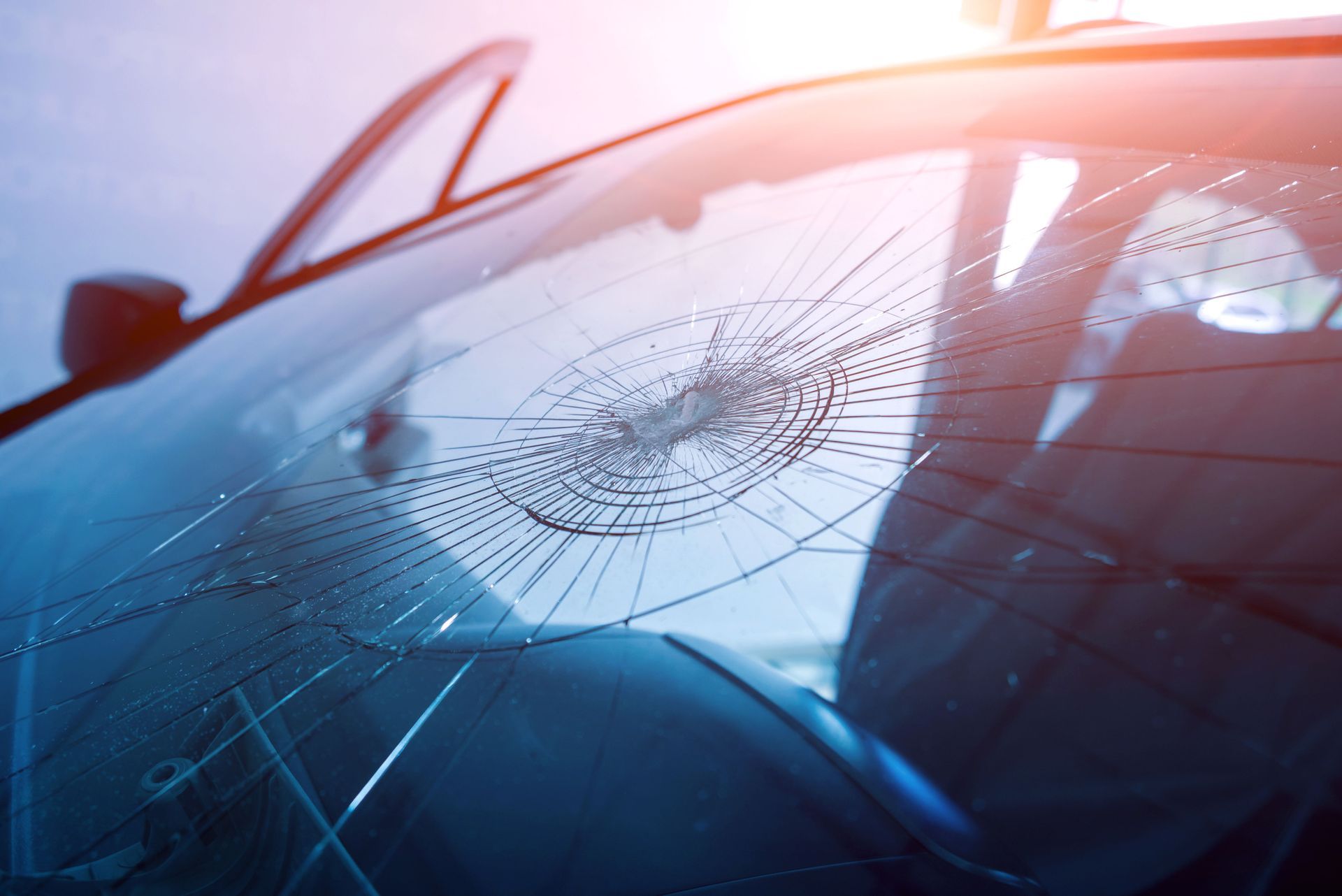
Windshield damage can manifest in various forms, each presenting different challenges. Chips are the most common type of damage and often result from small rocks or debris impacting the glass. Cracks, on the other hand, can occur from more substantial impacts or stress points and can expand over time. Shattered glass is a severe form of damage that usually results from high-impact accidents or extreme weather conditions. Understanding these types helps in assessing the severity and urgency of repairs needed.
1.2 Causes of Windshield Damage
Numerous factors contribute to windshield damage, ranging from natural elements to human-induced incidents. Common causes include flying debris from other vehicles while driving, significantly during road construction or in rural areas. Temperature fluctuations can also cause windshields to crack, especially during rapid changes from hot to cold conditions. Accidents, even minor fender benders, can result in significant windshield damage, necessitating prompt attention. Being cognizant of these causes is crucial for preventive measures and prompt remediation.
1.3 Frequency of Incidents
The frequency of windshield damage has seen notable trends in recent years, accentuated by a variety of contributing factors. According to industry reports, there has been a steady increase in windshield damage claims, making up a substantial part of auto insurance claims. Advances in windshield technology, including lane sensors and rain sensors, have increased repair complexity and frequency. Statistical data indicate that the frequency of claims relating to windshield damage has increased by 5% annually over the past decade. As urbanization increases, exposure to factors causing windshield damage follows suit.
1.4 Safety Implications
Driving with a damaged windshield poses several safety risks that affect both the driver and other road users. Visibility can be significantly reduced when cracks or chips obstruct the driver's line of sight, increasing the likelihood of accidents. Structural integrity of the vehicle may also be compromised, as the windshield plays a crucial role in supporting the car's roof during rollovers. Additionally, airbags rely on the windshield for proper deployment, which can be affected by cracks. A clear and intact windshield is essential for maintaining optimal safety conditions while driving.
1.5 Repair vs. Replacement
The decision to repair or replace a windshield depends on several factors such as the size, location, and severity of the damage. Generally, small chips and cracks less than 6 inches can be repaired, restoring the structural integrity and clarity of the windshield. Replacement may be necessary for larger damages or if the crack is obstructing the driver's view. Cost, time, and insurance coverage are also critical factors influencing this decision-making process. Understanding when to repair and when to replace can save time, money, and enhance vehicle safety.
2. Economic Impact of Windshield Damage
2.1 Direct Repair Costs
The costs associated with windshield repair and replacement directly impact drivers and insurance companies. Typically, repair costs are lower than replacement, often ranging between $60 and $100 for minor chip repairs. However, replacement can be considerably more expensive, particularly for newer vehicle models with advanced technology. Factors such as the type of glass, vehicle make, and presence of integrated features like sensors further influence these costs. High repair costs lead many drivers to file insurance claims, directly affecting their premiums and the broader insurance market.
2.2 Indirect Costs
Indirect costs of windshield damage extend beyond the immediate repair expenses, affecting both individuals and businesses. Downtime from work for repairs results in productivity losses and potential income reduction for affected drivers. Delayed repairs could lead to more pronounced damage, further increasing repair or replacement costs. Additionally, vehicles left unrepaired face higher risks for further damages or accidents due to compromised visibility and structural integrity. As a result, indirect costs can often surpass direct costs, posing significant economic burdens on car owners.
2.3 Impact on Insurance Premiums
Windshield damage claims significantly influence auto insurance premiums, reflecting broader industry trends. Higher claim frequencies contribute to increased premiums, as insurers adjust policies to account for heightened risks and expenses. With windshields accounting for 30% of all auto insurance claims, this issue highlights the substantial financial influence on the industry. Policyholders with frequent claims may experience surcharges or loss of discounts, altering their overall premium structure. Consequently, understanding the premium implications of these claims is vital for informed insurance decisions.
2.4 Industry Statistics
Statistics reveal the financial burden of windshield damage on the insurance sector, influencing policy adjustments and premium structures. According to The Insurance Journal, about 30% of all auto claims pertain directly to windshield damage, demonstrating a significant portion of their workload. Consequently, insurers are consistently analyzing these trends to establish appropriate responses to manage risks and costs. The growing prevalence of advanced windshields means insurance companies must adapt rapidly to evolving technologies. These statistics drive innovation and shifts in industry standards, influencing coverage innovations and policy formulations.
2.5 Cost-Saving Measures
Implementing cost-saving measures can significantly reduce the financial impact of windshield damage for both drivers and insurers. Regular inspections and timely repairs can mitigate further damage, avoiding more expensive replacements. Insurers are exploring partnerships with repair shops to provide discounts or incentivize prompt repairs. Technologies such as automated claims processing and digital assessments are being adopted to streamline operations and cut administrative costs. Encouraging preventive practices and promoting insurance literacy also play vital roles in minimizing the economic strain of windshield issues.
3. Insurance Policies and Coverage
3.1 Comprehensive Coverage
Comprehensive coverage plays a crucial role in addressing damages, including windshield issues, helping provide financial protection against non-collision-related losses. These policies cover repairs or replacements resulting from damage by external factors like debris, theft, or vandalism. As windshields become more technologically advanced, comprehensive coverage options are evolving to address associated technologies and repair complexities. Choosing comprehensive coverage helps policyholders receive necessary financial assistance for extensive windshield repairs. Evaluating coverage options thoroughly helps consumers make informed decisions on their insurance plans.
3.2 Claim Procedures
Filing a windshield damage claim typically involves a straightforward process designed to facilitate rapid resolutions. First, policyholders must review their coverage terms to confirm eligibility for claims related to windshield issues. Once eligibility is confirmed, notifying the insurance provider and gathering photographic evidence of the damage are crucial steps. Insurers often collaborate with approved repair shops or provide recommendations for service providers. Completing these procedures efficiently allows for quicker processing times and minimizes disruptions for clients.
Windshield damage plays a critical role in shaping the auto insurance industry, impacting premiums, safety, and technological advancements. By understanding the intricacies of windshield damage, consumers and insurers can implement proactive strategies that minimize financial burdens. Innovations and regulatory measures continue to evolve, providing adequate protection and efficient handling of windshield-related claims.
Emphasizing education and preventive care fosters an informed consumer base, capable of making sound choices in the face of adversity. Ultimately, the collective effort of both insurers and car owners can mitigate costs and elevate safety standards, reinforcing the importance of windshield integrity in the automotive sphere. Reach out to Choice One Insurance Services today for more information.